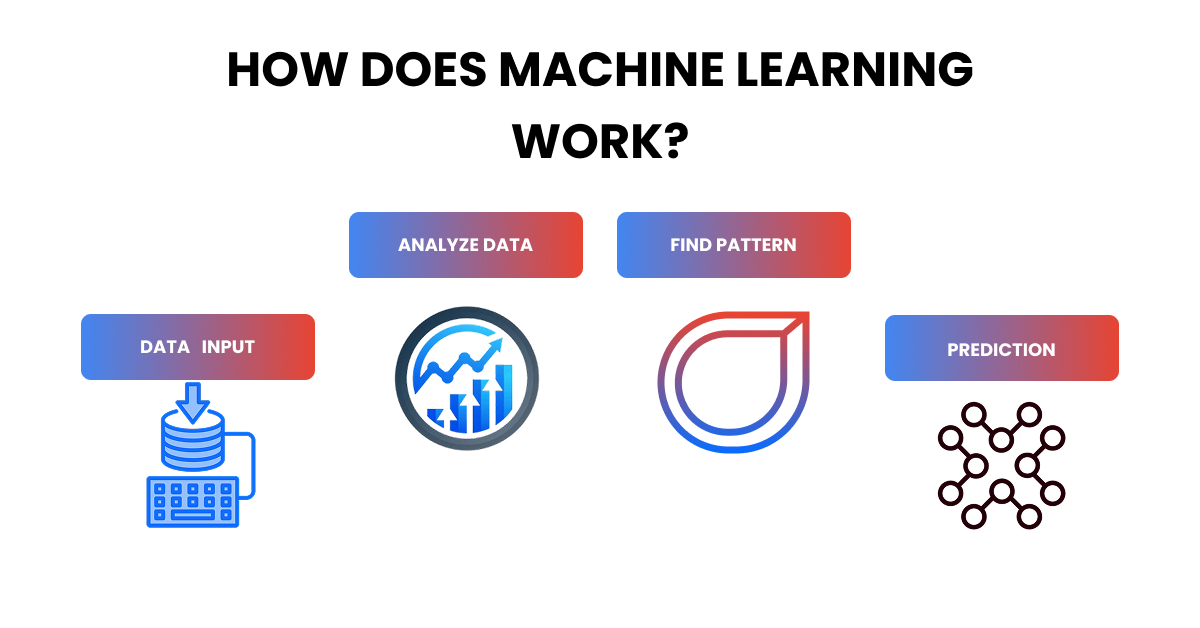
Machine learning has become one of the most transformative technologies of our time, powering everything from smartphone assistants to medical diagnoses.
But have you ever wondered how these intelligent systems actually function? Let’s dive into the fascinating world of machine learning work and explore the mechanics behind this revolutionary technology.
For a comprehensive introduction, check out our article What is Machine Learning? A Beginner’s Guide to AI Technology first. It provides the essential background you’ll need to fully appreciate how machine learning systems operate.
Understanding the Basics of Machine Learning
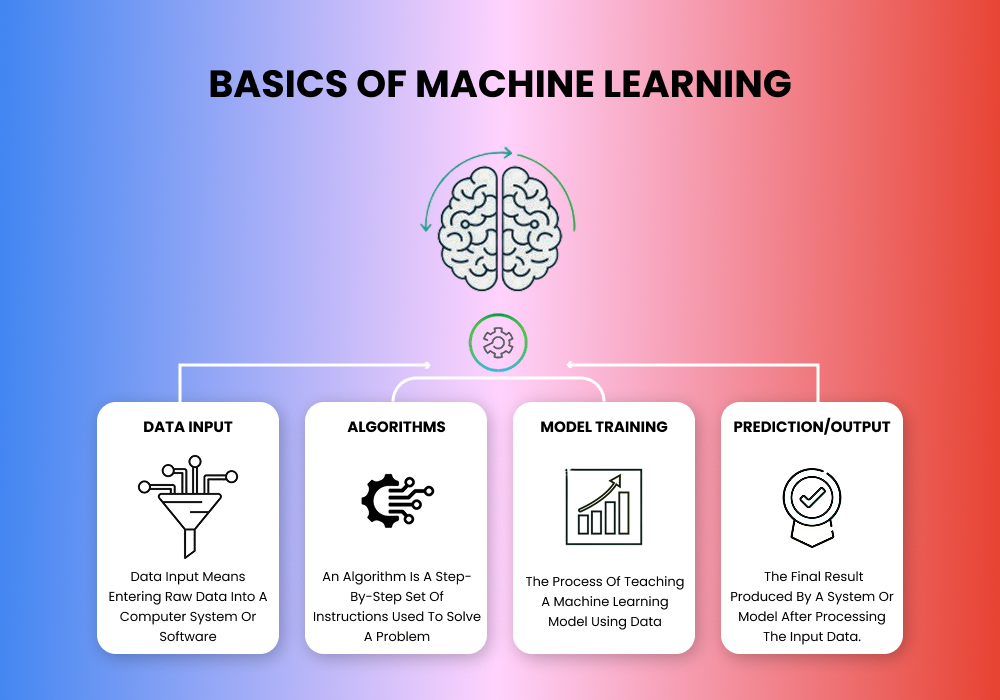
At its core, machine learning work involves teaching computers to learn from experience without being explicitly programmed for every scenario.
Instead of following rigid instructions, these systems identify patterns in data and make decisions based on what they’ve learned. Think of it like teaching a child to recognize animals.
You don’t program every possible feature into their brain. Instead, you show them examples, and they learn to identify patterns, four legs, fur, and barking sounds mean “dog.” Machine learning operates on this same principle, but with mathematical algorithms processing vast amounts of data.
The Three Main Types of Machine Learning
- Supervised Learning: Supervised learning is like having a teacher guide you through problems. The algorithm receives labeled training data, inputs paired with correct outputs. For example, showing the system thousands of images labeled “cat” or “dog” helps it learn to classify new images correctly.
- Unsupervised Learning: Here, the algorithm explores data without predefined labels, discovering hidden patterns independently. It’s like giving someone a box of mixed buttons and asking them to organize them; they’ll naturally group by size, color, or shape without being told how.
- Reinforcement Learning: This approach learns through trial and error, receiving rewards for correct actions and penalties for mistakes. Video game AI uses this method, improving its strategy through countless gameplay sessions.
How Does Machine Learning Work in Practice?
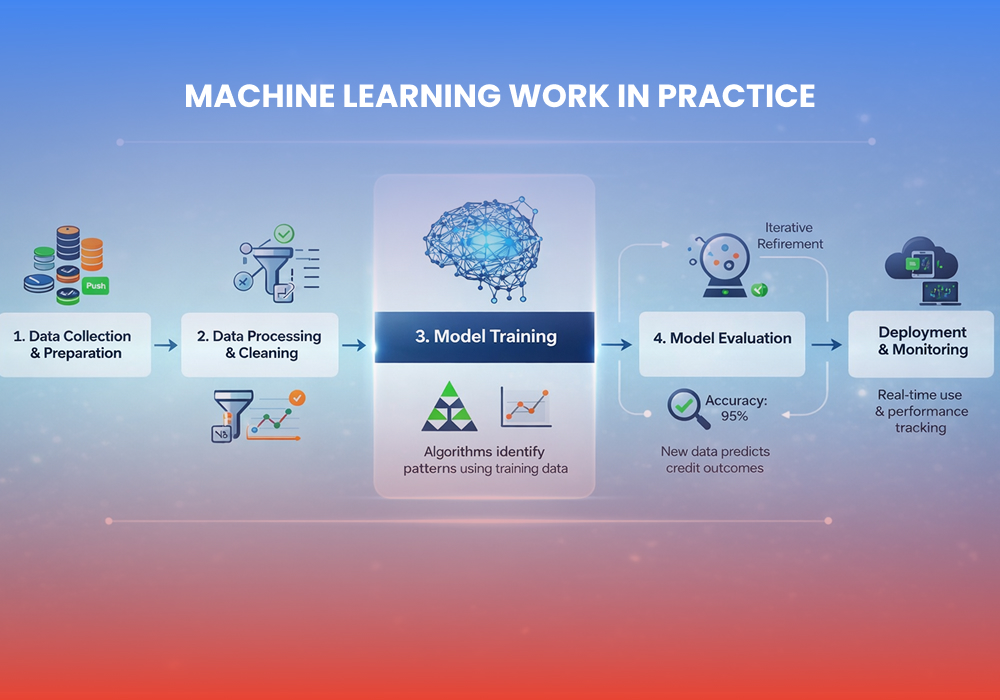
The machine learning work process follows several key steps:
- Data Collection: Everything starts with gathering relevant information. The quality and quantity of data directly impact the system’s performance.
- Data Preparation: Raw data needs cleaning and organizing. This involves removing errors, handling missing values, and formatting information consistently.
- Model Selection: Engineers choose appropriate algorithms based on the problem type, whether it’s classification, prediction, or pattern recognition.
- Training: The algorithm processes training data, adjusting its internal parameters to minimize errors. This phase might take hours or even days, depending on complexity.
- Testing and Validation: The trained model faces new, unseen data to verify its accuracy and reliability.
- Deployment: Once validated, the model integrates into real-world applications, continuously learning and improving from new data.
Real-World Applications
Machine learning powers numerous everyday technologies. Netflix recommends shows based on your viewing history. Banks detect fraudulent transactions by recognizing unusual patterns. Healthcare systems analyze medical images to identify diseases earlier than human doctors might notice.
Social media platforms use it to filter spam and recommend content. Self-driving cars rely on machine learning to navigate roads safely. Voice assistants understand and respond to natural language queries through continuous learning.
The Future of Machine Learning
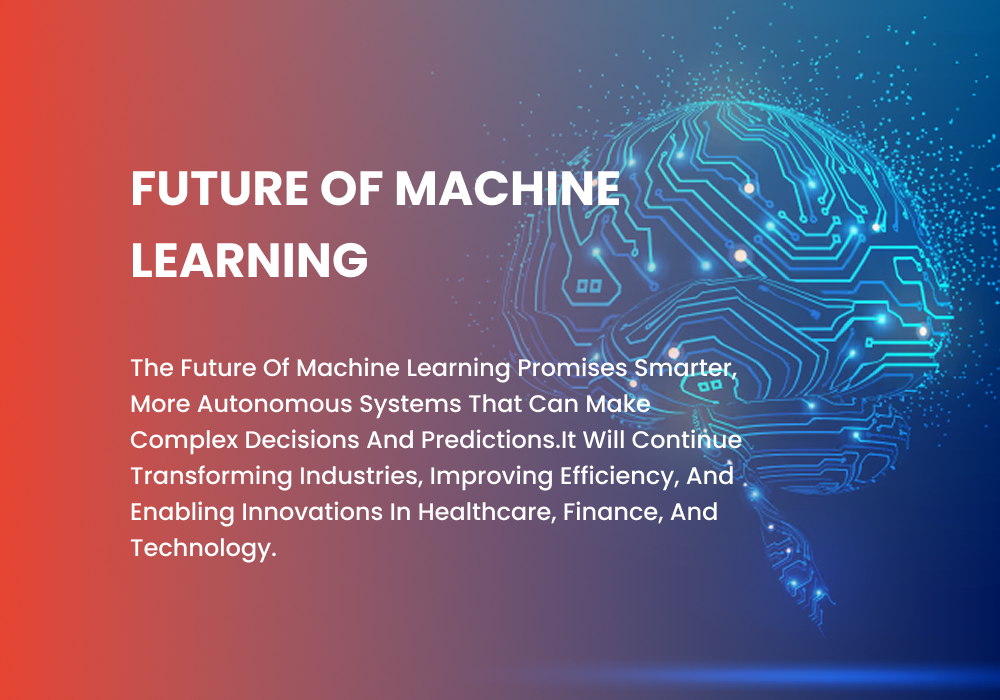
As computing power increases and data becomes more abundant, machine learning capabilities continue expanding. We’re seeing breakthroughs in natural language processing, computer vision, and predictive analytics that seemed impossible just years ago.
The technology is becoming more accessible, too, with user-friendly platforms allowing businesses of all sizes to implement machine learning solutions without extensive technical expertise.
Frequently Asked Questions
Q1: How long does it take to train a machine learning model?
Training time varies from minutes to several days, depending on data volume, algorithm complexity, and available computing power.
Q2: Do machine learning systems need constant supervision?
Not necessarily. Once trained and deployed, many systems operate independently, though periodic monitoring and updates improve performance.
Q3: Can machine learning work with small datasets?
While larger datasets typically produce better results, techniques like transfer learning allow effective machine learning with limited data by leveraging pre-trained models.
Q4: Is machine learning the same as artificial intelligence?
Machine learning is a subset of AI. AI is the broader concept of machines performing intelligent tasks, while machine learning specifically focuses on learning from data.
Q5: What skills are needed to work with machine learning?
Key skills include programming (especially Python), statistics, mathematics, and an understanding of algorithms. However, many no-code platforms now make basic machine learning accessible to non-technical users.
Conclusion
Understanding how machine learning works demystifies the technology shaping our digital future. While the underlying mathematics can be complex, the basic concept remains straightforward: systems that learn from experience to make increasingly accurate predictions and decisions. As this technology evolves, it will continue revolutionizing industries and creating possibilities we haven’t yet imagined.