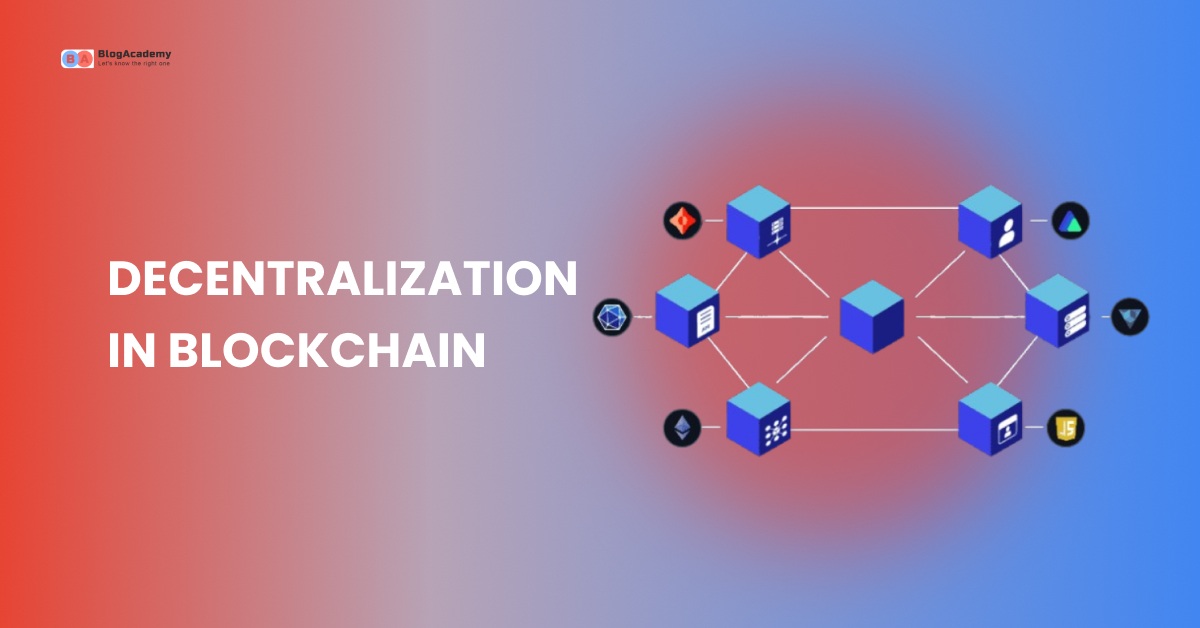
Blockchain technology has been hailed as a game-changer across multiple industries, promising enhanced security, transparency, and efficiency. However, like any technology, it’s not without its challenges.
Understanding the limitations of blockchain technology is crucial for businesses and individuals considering its adoption. Let’s take an honest look at the constraints and drawbacks that come with this innovative system.
Before reading this blog post, take a moment to read our previous article, “What Are the Key Features of Blockchain Technology?” It will help you understand the essential features of blockchain technology and provide helpful context for this post.
The Reality Behind the Hype: Limitations of Blockchain Technology
While blockchain offers remarkable benefits, it’s important to approach it with realistic expectations. Recognizing these challenges helps organizations make informed decisions about implementation and prepares them for potential obstacles.
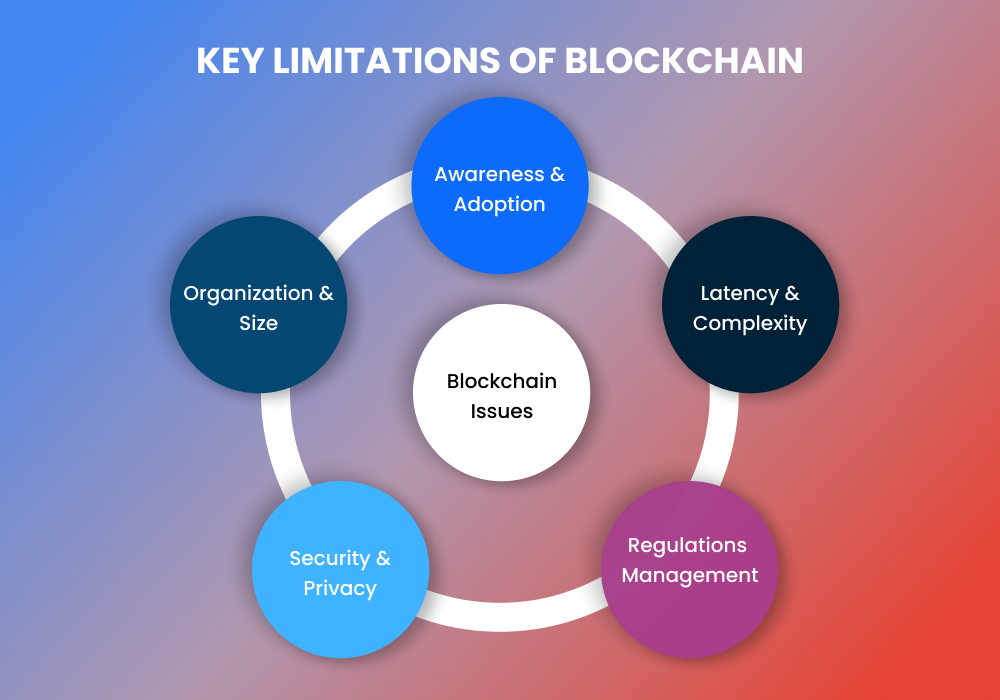
Key Limitations of Blockchain Technology
Scalability Challenges
One of the most significant limitations of blockchain technology is its scalability issue. Traditional payment systems, such as Visa, can process thousands of transactions per second, whereas popular blockchains like Bitcoin handle only a fraction of that volume.
As more users join the network, transaction speeds can slow down considerably, and processing fees may increase. This bottleneck makes it difficult for blockchain to compete with conventional systems in high-volume environments.
High Energy Consumption
The environmental impact of blockchain cannot be ignored. Many blockchain networks, particularly those using proof-of-work consensus mechanisms, consume enormous amounts of electricity.
Mining operations require powerful computers that run continuously, resulting in substantial energy costs and a significant carbon footprint. This energy-intensive nature raises concerns about sustainability and long-term viability.
Complexity and Technical Barriers
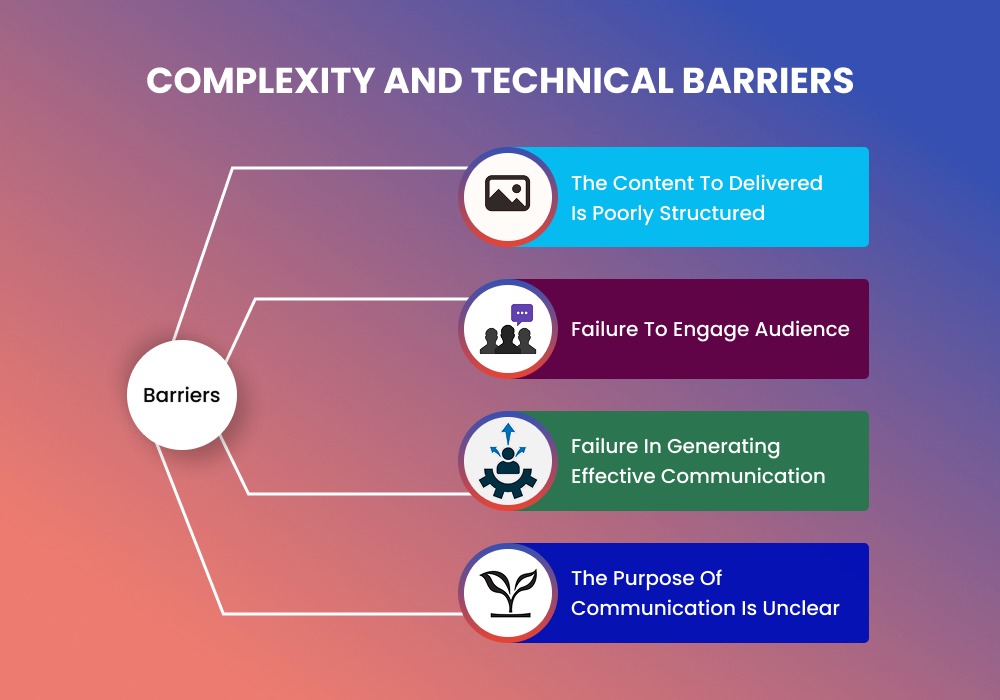
Understanding and implementing blockchain requires specialized knowledge. The technical complexity presents a steep learning curve for businesses and developers alike.
From setting up nodes to managing private keys, the intricacies involved can be overwhelming for those without technical expertise. This complexity often necessitates hiring specialized personnel, adding to implementation costs.
Storage Constraints
As blockchain networks grow, so does the size of the distributed ledger. Every node in the network must store a complete copy of the entire transaction history, leading to substantial storage requirements.
Over time, this becomes increasingly impractical, especially for smaller participants who may lack the infrastructure to maintain such large databases.
Regulatory Uncertainty
Among the notable limitations of blockchain technology is the lack of clear regulatory frameworks. Governments worldwide are still grappling with how to regulate blockchain applications, particularly in the cryptocurrency and financial sectors.
This uncertainty creates risks for businesses, as future regulations could significantly impact operations or even render certain blockchain implementations non-compliant.
Irreversibility Issues
While immutability is often praised as a strength, it can also be a drawback. Once data is recorded on the blockchain, it’s nearly impossible to correct errors or reverse fraudulent transactions.
If you accidentally send funds to the wrong address or fall victim to a scam, there’s typically no way to undo the transaction, unlike traditional banking systems, where transactions can be disputed and reversed.
The Cost Factor
Implementing blockchain solutions isn’t cheap. Beyond the initial setup costs, there are ongoing expenses for maintenance, upgrades, and energy consumption.
For many small to medium-sized businesses, these financial barriers make blockchain adoption challenging. The return on investment isn’t always immediately apparent, requiring careful cost-benefit analysis.
Integration with Existing Systems
Another challenge among the limitations of blockchain technology involves integrating it with legacy systems. Most organizations have established databases and processes that may not easily connect with blockchain networks. This integration complexity can lead to extended implementation timelines and additional costs.
Privacy Concerns
While blockchain offers transparency, this can sometimes conflict with privacy requirements. Public blockchains make transaction data visible to all network participants, which may not be suitable for sensitive business information.
Although private blockchains offer more control, they sacrifice some of the decentralization benefits that make blockchain attractive.
Frequently Asked Questions
Q1: Can blockchain scalability issues be solved?
Yes, developers are working on solutions like layer-2 protocols, sharding, and improved consensus mechanisms to enhance transaction speeds and network capacity.
Q2: Is blockchain suitable for small businesses?
It depends on the use case. While the constraints and challenges exist, some blockchain solutions are becoming more accessible and affordable for smaller operations.
Q3: Will blockchain technology become more energy-efficient?
Many networks are transitioning to more sustainable consensus mechanisms like proof-of-stake, which significantly reduces energy consumption compared to proof-of-work.
Q4: Are there alternatives to public blockchains?
Yes, private and consortium blockchains offer more control over access and data while maintaining some of the benefits of blockchain, albeit with trade-offs in decentralization.
Q5: How long does it take to implement blockchain?
Implementation timelines vary widely depending on complexity, ranging from a few months for simple applications to over a year for enterprise-level solutions.
Q6: Can blockchain errors be corrected?
While the blockchain itself is immutable, some networks implement governance mechanisms that allow for corrections through consensus, though this is rare and complex.
Making Informed Decisions
While the blockchain itself is immutable, some networks implement governance mechanisms that allow for corrections through consensus, though this is rare and complex.
Understanding the limitations of blockchain technology doesn’t mean dismissing it entirely; it means approaching it strategically.
Every technology has its strengths and weaknesses, and blockchain is no exception. The key is evaluating whether its benefits outweigh its drawbacks for your specific use case.
Want to stay updated on blockchain developments and emerging solutions to these challenges? Visit BlogAcademy.tech for comprehensive guides, expert analysis, and the latest insights on blockchain and other transformative technologies.
Don’t let limitations stop you; let knowledge empower you to make the right choices for your digital future.