Artificial Intelligence has transformed from a futuristic concept into an everyday reality that touches nearly every aspect of our lives. From the moment we wake up to voice-activated alarms to the personalized recommendations we receive while shopping online, AI has become deeply woven into the fabric of modern society. Understanding the impact of Artificial Intelligence is crucial as we navigate this technological revolution.
How AI Is Reshaping Our Daily Lives?

The influence of machine learning and intelligent systems extends far beyond tech companies and research laboratories.
Today, AI-powered tools assist doctors in diagnosing diseases, help students learn through personalized educational platforms, and enable businesses to serve customers more efficiently.
The impact of Artificial Intelligence on our daily routines is both profound and multifaceted. Smart assistants like Siri and Alexa have made information access instantaneous, while navigation apps use AI algorithms to help us avoid traffic and reach destinations faster.
Even our entertainment choices are guided by AI systems that learn our preferences and suggest content we’re likely to enjoy.
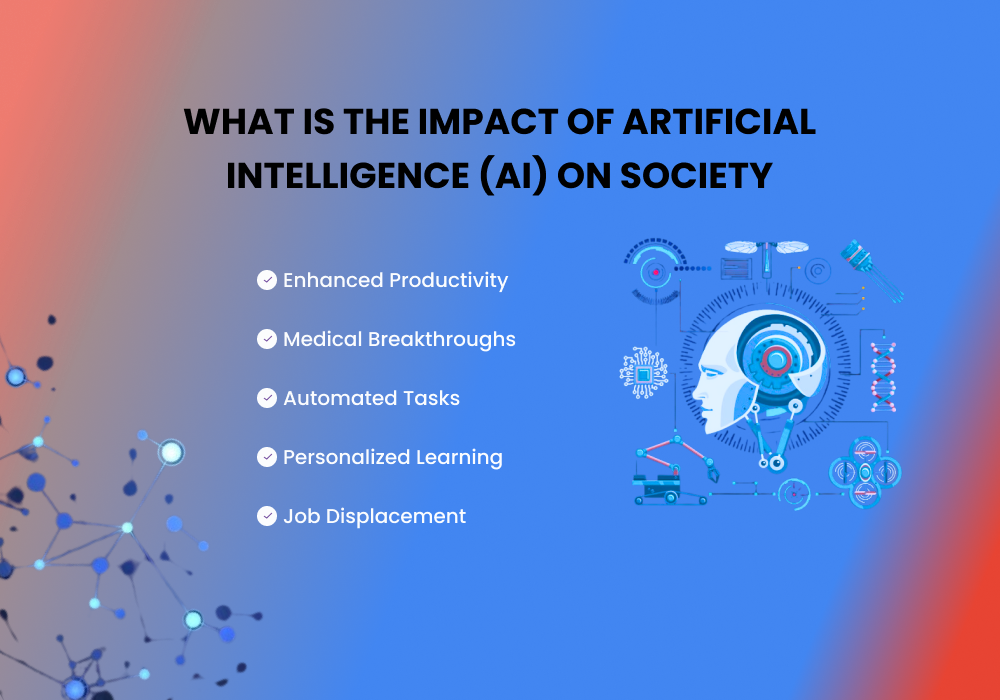
Impact Of Artificial Intelligence (AI) On Society
Artificial Intelligence has emerged as one of the most transformative technologies of our era, fundamentally changing how we live, work, and interact with the world around us.
The impact of Artificial Intelligence on society is both revolutionary and far-reaching, touching everything from healthcare and education to entertainment and transportation.
The Economic and Employment Transformation
One of the most significant areas where we see the impact of Artificial Intelligence is in the workplace. Automation powered by AI has revolutionized manufacturing, customer service, and data analysis.
While some worry about job displacement, AI is also creating entirely new career opportunities in fields like machine learning engineering, AI ethics, and data science.
Companies are leveraging intelligent automation to handle repetitive tasks, allowing human workers to focus on creative problem-solving and strategic thinking. This shift is redefining what it means to work in the 21st century and challenging us to adapt our skills accordingly.
Healthcare Revolution Through AI
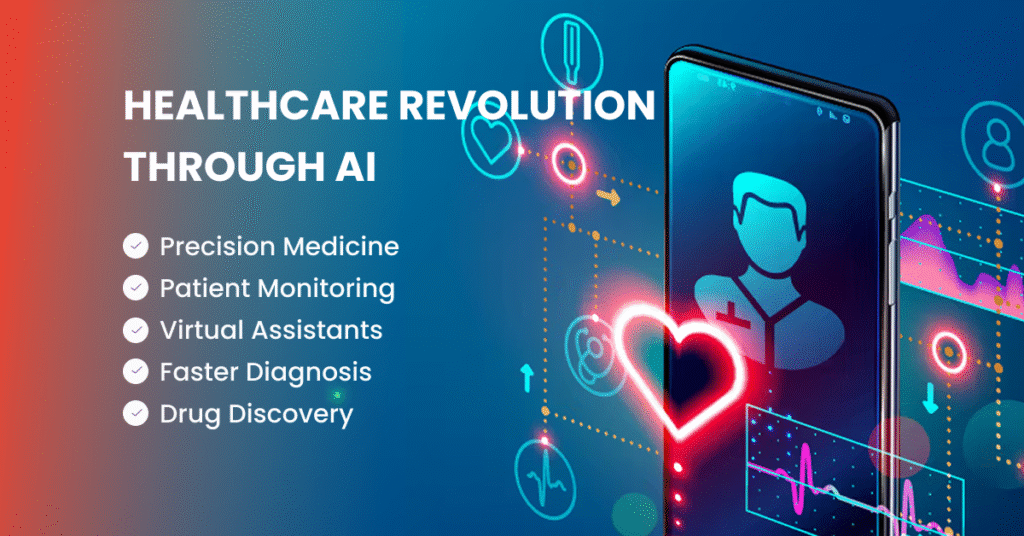
The medical field has experienced tremendous benefits from cognitive computing technologies. AI algorithms can now detect patterns in medical imaging that might escape the human eye, leading to earlier cancer detection and better patient outcomes.
The impact of Artificial Intelligence in healthcare includes drug discovery, personalized treatment plans, and predictive analytics that help prevent diseases before they develop.
Telemedicine platforms enhanced by AI have made healthcare more accessible, particularly in remote areas where specialist doctors are scarce. These systems can provide preliminary diagnoses and effectively triage patients, ensuring that critical cases receive immediate attention.
Education and Learning Enhanced by Technology
Educational institutions are witnessing the transformative impact of Artificial Intelligence through adaptive learning platforms that customize lessons to each student’s pace and learning style.
AI tutors provide 24/7 support, helping students overcome challenges outside traditional classroom hours. Teachers are using AI-powered tools to grade assignments more efficiently, identify students who need extra help, and develop more engaging curricula.
This technology is democratizing education by making quality learning resources available to students regardless of their geographic location.
Ethical Considerations and Challenges

As we embrace these technological advancements, we must also address the ethical implications. The impact of Artificial Intelligence raises important questions about privacy, bias in algorithms, and the concentration of power among tech companies.
Ensuring that AI systems are transparent, fair, and accountable is crucial for building trust and preventing harm. Issues like deepfakes, surveillance, and automated decision-making in sensitive areas like criminal justice require careful oversight and regulation.
Society must work together to establish guidelines that maximize AI’s benefits while minimizing potential risks.
Frequently Asked Questions
Q: Will AI replace human jobs completely?
A: While AI will automate certain tasks, it’s more likely to transform jobs rather than eliminate them. New roles focused on managing and working alongside AI systems are emerging rapidly.
Q: Is AI dangerous to society?
A: AI itself is a tool. Its impact depends on how we develop and deploy it. With proper ethical guidelines and oversight, AI can be tremendously beneficial to society.
Q: How is AI affecting education quality?
A: AI is enhancing education by providing personalized learning experiences, making education more accessible, and helping teachers identify students who need additional support.
Q: Can AI make biased decisions?
A: Yes, AI systems can inherit biases from their training data. This is why diverse development teams and careful testing are essential to creating fair AI systems.
Q: What industries benefit most from AI?
A: Healthcare, finance, manufacturing, retail, and transportation are among the industries experiencing significant benefits from AI integration.
Q: How can I prepare for an AI-driven future?
A: Focus on developing skills that complement AI, such as critical thinking, creativity, emotional intelligence, and continuous learning. Stay informed about technological developments in your field.
In the End
The artificial intelligence revolution is here, and understanding its implications is essential for everyone. Whether you’re a business owner, student, or simply curious about technology, staying informed about AI developments will help you adapt and thrive in this changing landscape.
Ready to learn more about technology’s impact on our world? Visit Blog Academy for more insightful articles on AI, digital transformation, and emerging technologies that are shaping our future.