The rise of digital currencies has revolutionized the way we perceive money and transactions. At the heart of this revolution lies a groundbreaking technology that makes it all possible.
Understanding how blockchain works in cryptocurrency is essential for anyone looking to navigate the world of digital finance.
What Is Blockchain Technology?

Before diving into its role in digital currencies, let’s clarify what blockchain actually is. Imagine a digital ledger that records every transaction across multiple computers simultaneously.
This distributed ledger technology ensures that no single entity controls the entire network, making it incredibly secure and transparent.
When you make a cryptocurrency transaction, it gets grouped with others into a “block” of data. This block is then verified by network participants and added to a chain of previous blocks, hence the name “blockchain.”
This process is what enables digital currencies like Bitcoin and Ethereum to function without the need for banks or governments to control them.
The Core Components of Blockchain in Digital Currency

Decentralization: The Foundation
Traditional banking systems rely on central authorities to verify and process transactions. However, how blockchain works in cryptocurrency is fundamentally different.
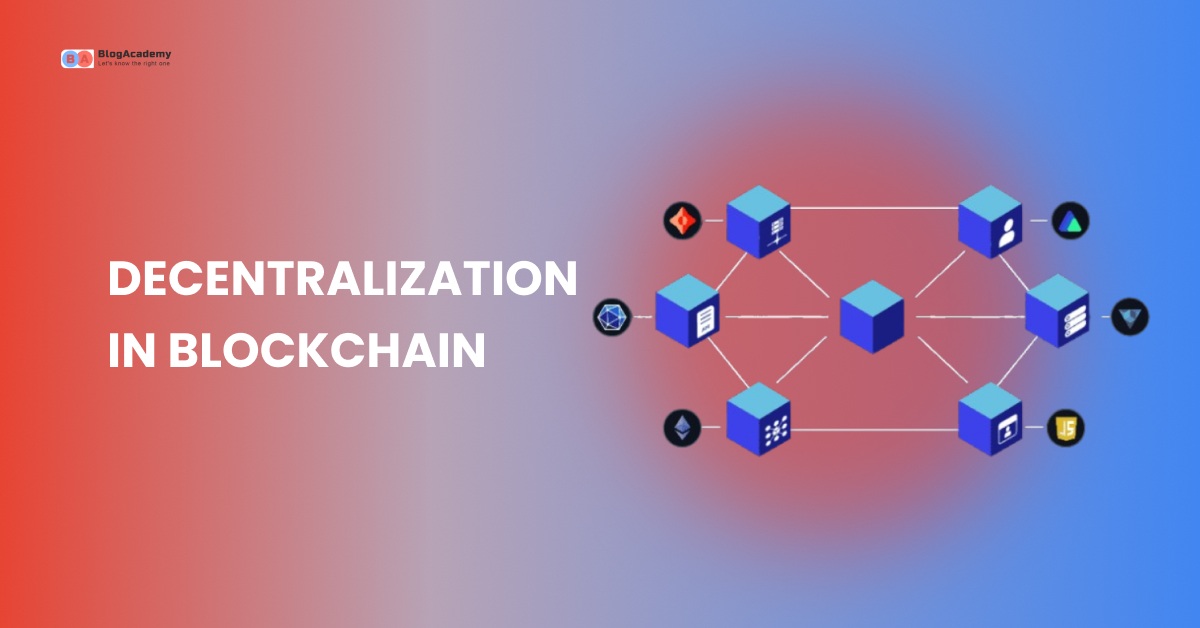
The network operates across thousands of computers worldwide, with no central point of control. This decentralization means that no single institution can manipulate the system or shut it down.
Cryptographic Security
Every transaction on a blockchain network is secured using advanced cryptographic techniques. When you send cryptocurrency to someone, the transaction is encrypted and linked to your unique digital signature.
This ensures that only you can authorize transfers from your wallet, protecting your digital assets from unauthorized access.
The Mining Process
Miners play a crucial role in the operation of blockchain technology within cryptocurrency systems. These network participants use powerful computers to solve complex mathematical problems that verify transactions.
Once solved, the block is added to the chain, and miners receive cryptocurrency rewards for their efforts. This process, called “proof of work,” keeps the network secure and operational.
How Transactions Flow Through the Blockchain
When you initiate a cryptocurrency transfer, several steps occur behind the scenes:
- First, your transaction is broadcast to the entire network. Network nodes then validate that you have sufficient funds and the authority to make the transfer.
- Next, miners collect your transaction along with others and compete to add them to the next block. Once verified and added to the blockchain, your transaction becomes permanent and cannot be reversed or altered.
- This entire process typically takes minutes, depending on the network, and operates 24/7 without holidays or downtime.
Benefits of Blockchain in Digital Finance

Understanding how blockchain works in cryptocurrency reveals numerous advantages. Transparency allows anyone to view transaction history on public blockchains, reducing fraud.
Security comes from cryptographic protection and decentralization, making hacking extremely difficult. Lower costs result from eliminating intermediaries like banks. Speed enables cross-border transactions in minutes rather than days.
Real-World Applications Beyond Currency
While cryptocurrency remains the most famous use case, blockchain technology extends far beyond digital money.
Supply chain management, healthcare records, voting systems, and smart contracts all benefit from distributed ledger technology.
This versatility demonstrates why understanding how blockchain works in cryptocurrency matters even if you’re not actively trading digital assets.
Frequently Asked Questions
Q: Is blockchain the same as Bitcoin?
No, blockchain is the underlying technology that powers Bitcoin and other cryptocurrencies. Bitcoin is just one application of blockchain technology.
Q: Can blockchain transactions be reversed?
Once confirmed and added to the blockchain, transactions are permanent and cannot be reversed, which is why it’s crucial to verify details before sending.
Q: How secure is blockchain technology?
Blockchain is extremely secure due to cryptographic encryption and decentralization, making it nearly impossible to hack or manipulate.
Q: Do all cryptocurrencies use the same blockchain?
No, different cryptocurrencies operate on different blockchains with varying features and protocols.
Q: Can I view blockchain transactions?
Yes, most blockchains are public, allowing anyone to view transaction history through blockchain explorers.
Q: How long does a blockchain transaction take?
Transaction times vary by network, ranging from seconds to several minutes, depending on network congestion and blockchain type.
Take Your First Step into Blockchain
Now that you understand how blockchain works in cryptocurrency, you’re ready to explore this exciting technology further.
Whether you’re interested in investing, developing applications, or simply staying informed about financial innovation, blockchain knowledge is invaluable.
Ready to learn more? Visit BlogAcademy.tech for comprehensive guides, tutorials, and the latest insights on blockchain, cryptocurrency, and emerging technologies.