From secure payments to verified products, learn where blockchain is used in real life to make a real difference. Practical examples and real-world impact.
You’ve probably heard about blockchain technology in connection with cryptocurrencies like Bitcoin. But here’s something that might surprise you: blockchain used in real life extends far beyond digital currencies.
This revolutionary technology is quietly transforming the industries you interact with every single day. Let me walk you through the fascinating ways blockchain is making a real difference in our world right now.
Before reading this blog post, see our previous blog post, Which is Better- Artificial Intelligence and Blockchain?”, which helps you find out the Popular Artificial Intelligence and Blockchain.
Understanding Blockchain Beyond the Hype

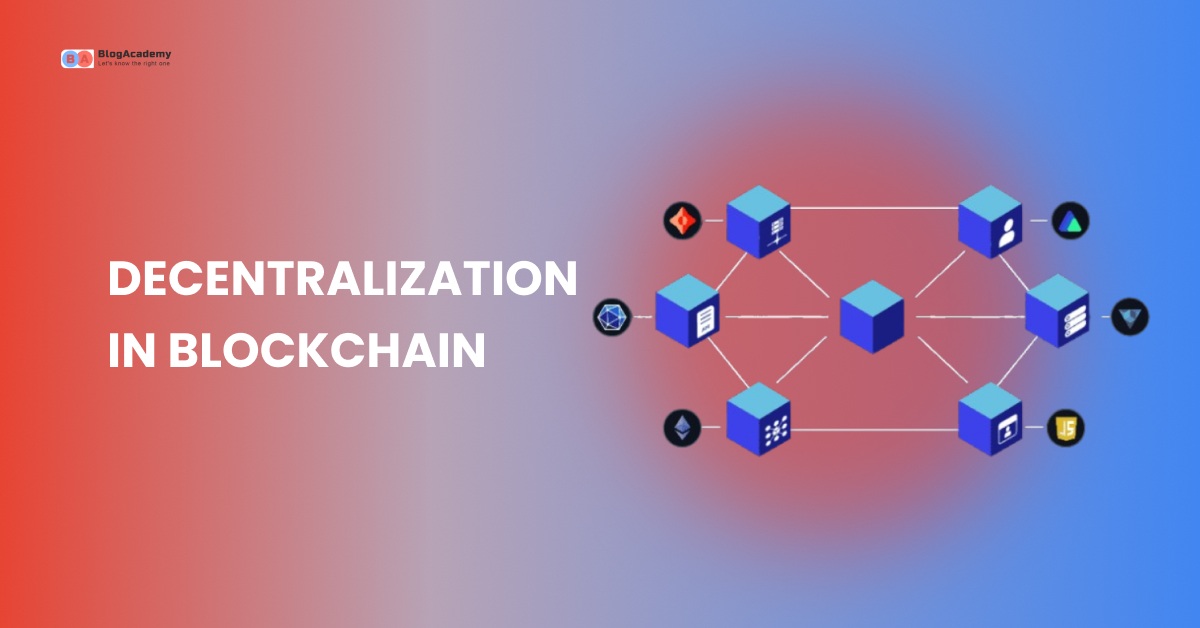
Before we explore real-world applications, let’s quickly demystify what blockchain actually is. Think of it as a digital ledger that records transactions across multiple computers.
The beauty? Once information is recorded, it’s nearly impossible to change or hack. This makes blockchain incredibly secure and transparent, two qualities that are pure gold in today’s digital age.
Blockchain Used in Real Life
Discover how blockchain is used in real life to transform finance, healthcare, supply chains, and more. Explore practical applications beyond cryptocurrency today.
Financial Services: More Than Just Crypto

International Money Transfers: Remember the last time you sent money internationally? Traditional bank transfers can take days and incur substantial fees. This is where blockchain used in real life really shines.
Companies like Ripple and Stellar are utilizing distributed ledger technology to facilitate cross-border payments that settle in seconds, rather than days.
Workers sending money home to their families, businesses paying international suppliers, and travelers exchanging currencies, all benefit from faster, cheaper transactions powered by blockchain networks.
Banking Without Banks: Millions of people worldwide don’t have access to traditional banking services. Blockchain technology is creating financial inclusion by allowing anyone with a smartphone to store, send, and receive money without needing a bank account. This isn’t science fiction; it’s happening right now in countries across Africa, Southeast Asia, and Latin America.
Supply Chain: Knowing Where Your Products Come From

Ever wondered if that “organic” label on your coffee is legitimate? Or whether your diamond ring was ethically sourced? Blockchain technology provides answers.
Major retailers like Walmart use blockchain systems to track food products from farm to shelf. If there’s a contamination issue, they can trace the exact source within seconds instead of days.
This saves lives and prevents widespread recalls. Fashion brands are also getting on board. When you buy a luxury handbag, blockchain verification can prove its authenticity and show you every step of its journey, from raw materials to your hands. No more worrying about counterfeits.
Healthcare: Protecting Your Medical Records
Your medical history is incredibly personal and valuable. Unfortunately, healthcare data breaches are all too common. This is another area where blockchain is used in real life is making a significant impact.
Hospitals and clinics are experimenting with blockchain-based systems that give you complete control over your medical records.
You decide who sees what information and when. Plus, doctors at different facilities can access your complete medical history instantly (with your permission), leading to better diagnosis and treatment.
Pharmaceutical companies are also using this technology to combat counterfeit medications, a problem that affects millions of people globally.
Real Estate: Simplifying Property Transactions
Buying a house involves mountains of paperwork, multiple intermediaries, and weeks of waiting. Blockchain technology is streamlining this entire process.
Several countries, including Sweden and Dubai, are piloting blockchain-based land registries. These systems create transparent, tamper-proof records of property ownership.
The result? Faster transactions, reduced fraud, and lower costs. Some property deals that traditionally took months can now be completed in days.
Digital Identity: Taking Control of Your Personal Information
In our connected world, proving who you are online is crucial yet problematic. We share personal information with countless websites and services, never quite sure how it’s being used or protected.
Blockchain-based identity solutions are emerging as game-changers. These systems let you create a verified digital identity that you control completely.
Need to prove your age without sharing your birth date? Done. Want to verify your qualifications without revealing your entire work history? Easy. This represents a fundamental shift in how we manage personal data online.
Entertainment and Digital Rights
Artists, musicians, and content creators are using blockchain networks to protect their work and earn fairly. Smart contracts,self-executing agreements written into blockchain code, automatically distribute royalties when someone uses creative work.
Gaming is another exciting frontier. Players can truly own their in-game items as unique digital assets, buying, selling, or trading them just like physical collectibles.
The Practical Impact of Blockchain Used in Real LifeToday
Blockchain used in real life isn’t some distant future scenario; it’s solving real problems today. From ensuring your morning coffee was fairly traded to protecting your grandmother’s medical records, from speeding up your international payments to verifying that designer watch you’ve been eyeing, this technology is working behind the scenes to make our lives better.
The revolution won’t happen overnight, but it’s definitely happening. And the best part? You’re probably already benefiting from it in ways you haven’t even realized.
Frequently Asked Questions
Is blockchain only used for cryptocurrency?
Not at all! While crypto made blockchain famous, the technology is now used in supply chains, healthcare, real estate, digital identity, and many other industries. Cryptocurrency is just one application among hundreds.
How does blockchain improve supply chain transparency?
Blockchain creates an unchangeable record of every step a product takes from creation to the consumer. This means you can verify authenticity, ensure ethical sourcing, and quickly identify problems when they occur.
Can regular people access blockchain-based services?
Absolutely! Many blockchain applications work in the background; you don’t need technical knowledge to benefit. From using international money transfer apps to buying verified products, the technology is becoming increasingly user-friendly.
Is blockchain technology secure?
Yes, blockchain is highly secure due to its decentralized nature and cryptographic protection. However, like any technology, the applications built on top of it must be properly designed and implemented.
Will blockchain replace traditional systems completely?
Probably not entirely. Blockchain excels in certain areas like transparency, security, and removing intermediaries. Traditional systems will likely coexist with blockchain, each serving different purposes based on specific needs.
Stay Ahead of the Tech Curve
The world of blockchain used in real life is expanding rapidly, with new applications emerging constantly. From financial innovation to supply chain revolution, understanding these technologies gives you a competitive edge in our digital world.
Join the Blog Academy community today and get weekly insights on blockchain, emerging technologies, and digital trends that actually matter. We break down complex topics into clear, practical knowledge you can use.
Don’t get left behind, subscribe now and become part of a community that’s shaping the future of technology, one article at a time. Your journey to tech-savviness starts here.