The internet is evolving, and we’re standing at the threshold of its next major transformation. Understand blockchain in Web3.0: the foundation of the decentralized internet. Discover real-world applications in finance, healthcare, and digital ownership.
While Web 1.0 gave us static websites and Web 2.0 brought us social media and interactive platforms, Web3.0 promises something entirely different: a decentralized, user-owned internet. At the heart of this revolution lies blockchain technology, serving as the foundational infrastructure that makes this vision possible.
Before diving into this blog post, check out our earlier article on How do fraudsters attack blockchain technology? Grasping these security weaknesses is essential for anyone working with cryptocurrency or blockchain systems.
Understanding Blockchain in Web3.0 and Its Core Technology
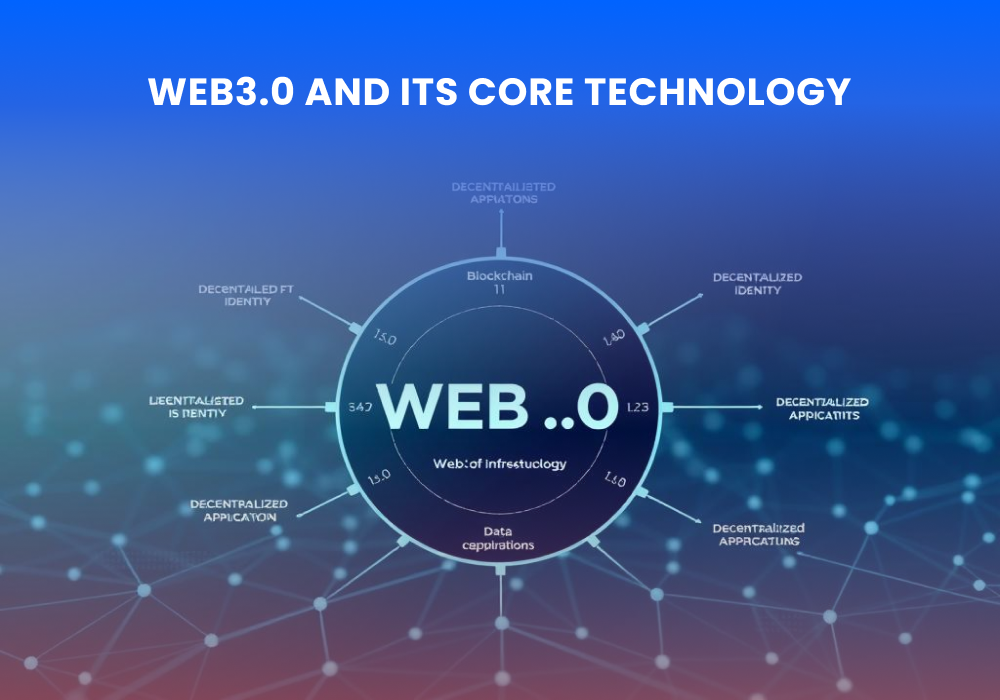
Web3.0 represents a paradigm shift in how we interact with the digital world. Unlike today’s internet, where tech giants control our data and online experiences, Web3.0 envisions a decentralized ecosystem where users have true ownership and control.
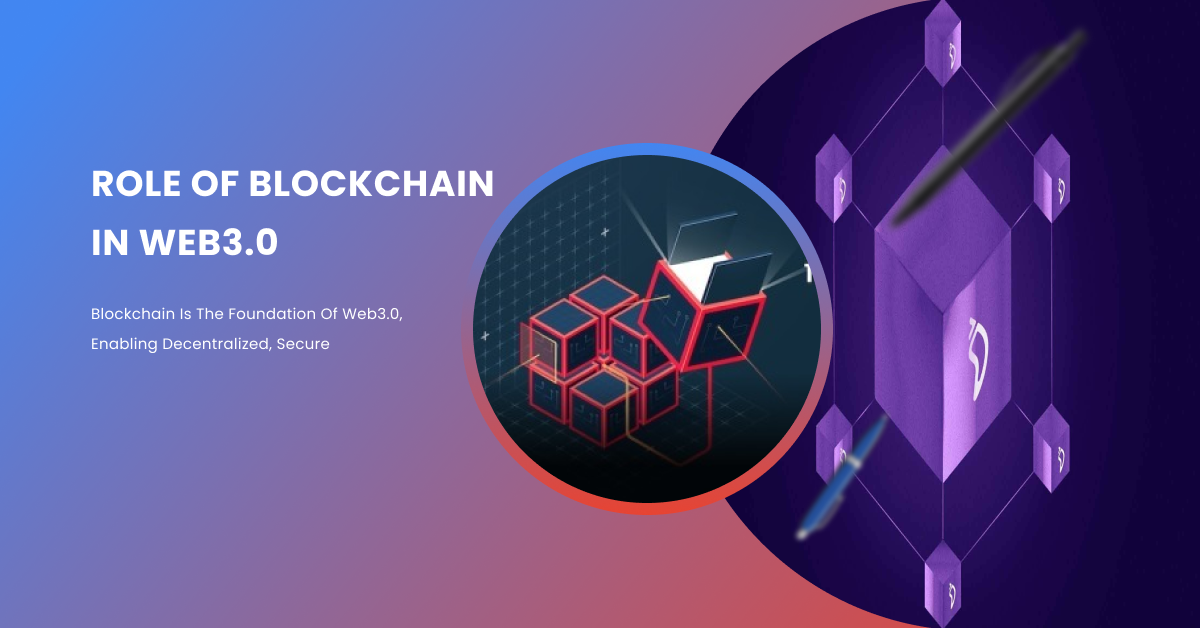
Blockchain in Web3.0 serves as the backbone that enables this transformation, providing the trust, transparency, and security needed for a decentralized internet to function effectively.
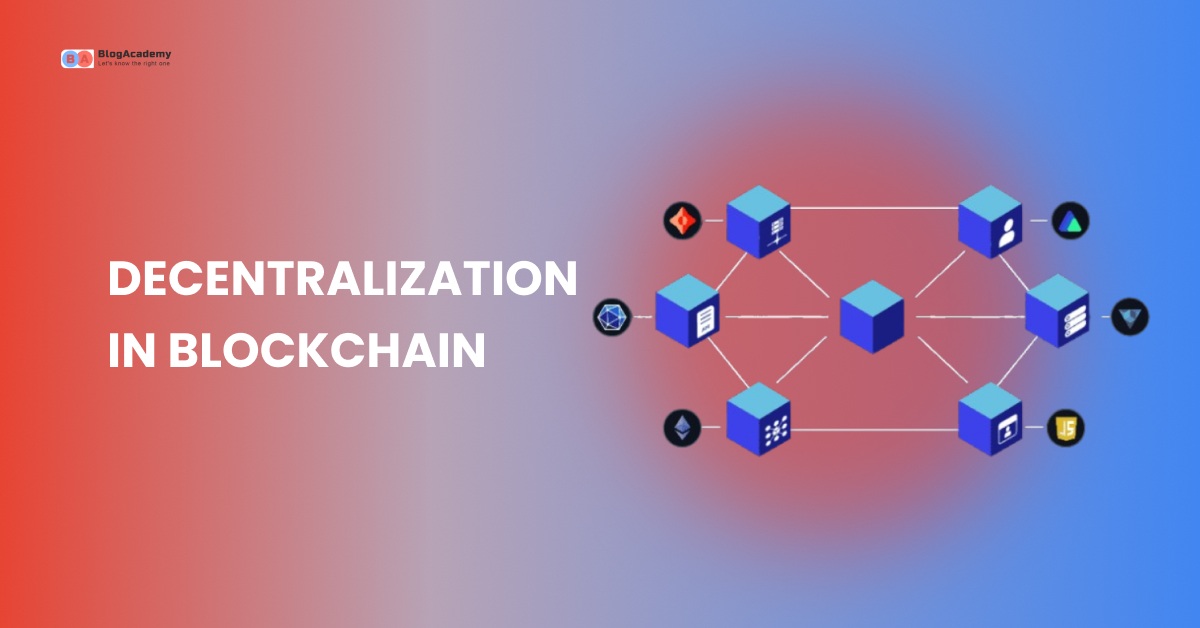
Think of blockchain as a digital ledger that records transactions across multiple computers. No single entity controls this ledger, making it nearly impossible to manipulate or hack.
This distributed nature is precisely what makes blockchain in Web3.0 so revolutionary; it eliminates the need for centralized intermediaries that currently dominate our online experiences.
Key Functions of Blockchain Technology in Web3.0
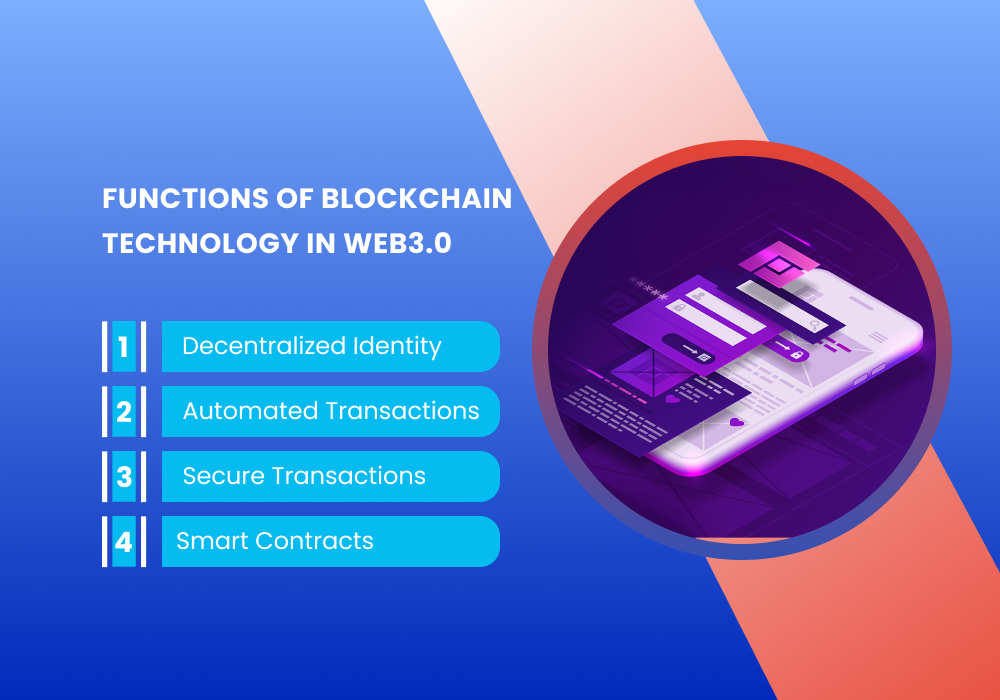
Decentralized Identity and Data Ownership
One of the most significant contributions of blockchain to Web3.0 is enabling true data ownership. Currently, when you create an account on social media or other platforms, the company owns your data. With blockchain technology, you can have a decentralized digital identity that you control entirely. Your personal information, credentials, and digital assets belong to you, not to corporations.
Smart Contracts and Automated Transactions
Smart contracts are self-executing agreements written in code that automatically enforce their terms. These programmable contracts eliminate the need for intermediaries in various transactions, from financial services to real estate deals. They operate transparently on the blockchain, ensuring all parties can trust the outcome without relying on a central authority.
Transparent and Secure Transactions
Every transaction recorded on a blockchain is permanent, transparent, and traceable. This transparency builds trust among users who don’t know each other, enabling peer-to-peer interactions without middlemen. Whether you’re transferring digital assets, verifying credentials, or participating in online governance, blockchain ensures security and authenticity.
Real-World Applications of Blockchain in Web3.0
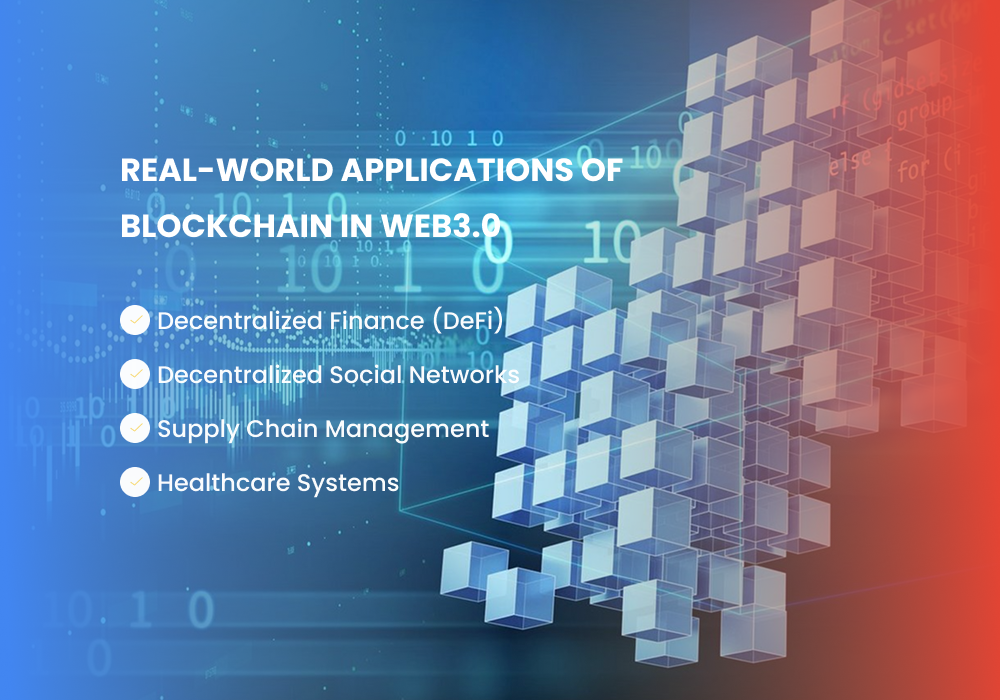
The practical applications of blockchain in Web3.0 are already emerging across various sectors:
- Decentralized Finance (DeFi): Revolutionary platforms that allow users to lend, borrow, and trade digital assets without relying on traditional banks or financial intermediaries, putting financial control directly in users’ hands.
- Non-Fungible Tokens (NFTs): Digital certificates that give creators direct ownership and monetization opportunities for their digital content, including artwork, music, virtual real estate, and collectibles.
- Decentralized Social Networks: New platforms where users maintain complete control over their data, and content moderation is governed by the community rather than corporate decisions, ensuring freedom and transparency.
- Supply Chain Management: Blockchain tracking systems that make supply chains transparent, allowing consumers to verify product authenticity, origin, and ethical sourcing with complete confidence.
- Healthcare Systems: Innovative solutions for secure, patient-controlled medical records that give individuals ownership of their health data while enabling seamless sharing with authorized healthcare providers.
- Voting Systems: Blockchain-powered electoral platforms are being developed to ensure complete transparency, prevent fraud, and increase trust in democratic processes through immutable vote recording.
The Future Impact on Users and Businesses
As Web3.0 continues to develop, blockchain technology will fundamentally change how we interact online. Users will experience greater privacy, control over personal data, and direct ownership of digital assets. Businesses will need to adapt to models that prioritize user empowerment rather than data extraction.
The transition won’t happen overnight, and challenges remain, including scalability, energy consumption, and user adoption. However, the potential benefits of a decentralized internet built on blockchain technology are too significant to ignore.
Frequently Asked Questions
Q1: What is the main difference between Web 2.0 and Web3.0?
Web 2.0 is centralized and controlled by large corporations, while Web3.0 is decentralized and gives users control over their data and digital assets through blockchain technology.
Q2: Do I need to understand blockchain to use Web3.0 applications?
Not necessarily. Just like you don’t need to understand internet protocols to browse websites, Web3.0 applications are being designed with user-friendly interfaces that hide the complexity of blockchain technology.
Q3: Is blockchain technology secure enough for Web3.0?
Yes, blockchain’s decentralized and cryptographic nature makes it highly secure. However, users must still practice good security habits like protecting their private keys and using reputable platforms.
Q4: Can blockchain handle the scale of internet traffic for Web3.0?
Current blockchain networks face scalability challenges, but solutions like layer-2 protocols, sharding, and new consensus mechanisms are being developed to handle increased traffic volumes.
Q5: Will Web3.0 completely replace Web 2.0?
The transition will likely be gradual, with Web3.0 and Web 2.0 coexisting for years. Eventually, many Web 2.0 services may integrate blockchain features or be replaced by decentralized alternatives.
Conclusion
Blockchain in Web3.0 isn’t just a buzzword; it’s the technological foundation enabling a more equitable, transparent, and user-centric internet. As we move forward, understanding this relationship becomes crucial for anyone participating in the digital economy.
Whether you’re a developer, entrepreneur, or everyday internet user, the blockchain-powered Web3.0 will reshape your online experiences in profound ways. The future of the internet is decentralized, and blockchain is the key that unlocks it.