In today’s rapidly evolving digital landscape, artificial intelligence has become more than just a buzzword; it’s a fundamental force reshaping how we work, communicate, and solve problems.
At the heart of this transformation lies machine learning, a powerful subset of AI that’s revolutionizing industries across the globe.
Understanding the benefits of using machine learning can help businesses and individuals harness its potential to drive innovation and efficiency.
For a comprehensive introduction, check out our article How Does Machine Learning Work?. Understanding how machine learning works demystifies the technology shaping our digital future.
What Makes Machine Learning So Powerful?
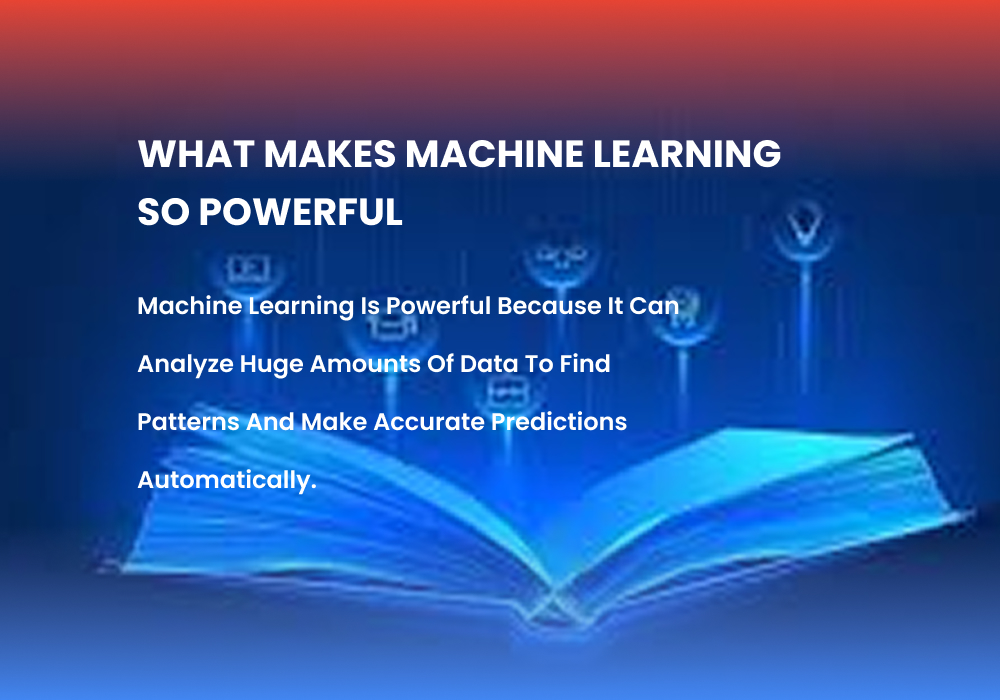
Machine learning enables computers to learn from data and improve their performance without being explicitly programmed for every task. Unlike traditional software that follows predetermined rules, Machine learning algorithms identify patterns, make predictions, and adapt based on experience. This adaptive capability is what makes the technology so transformative across various sectors.
Key benefits of using machine learning Technology
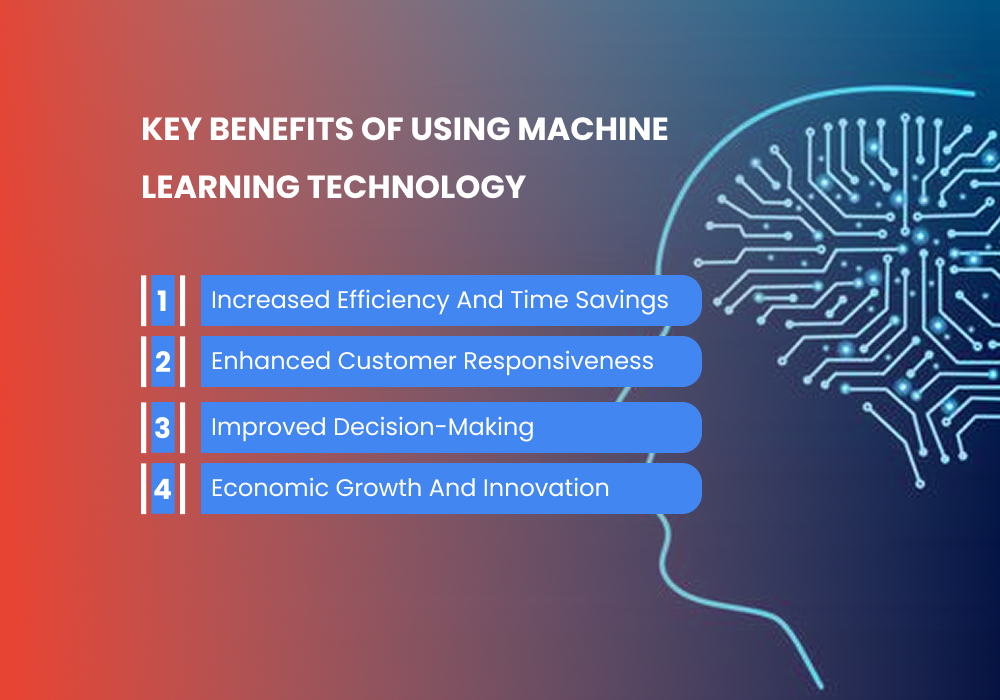
Enhanced Decision-Making and Predictive Analytics
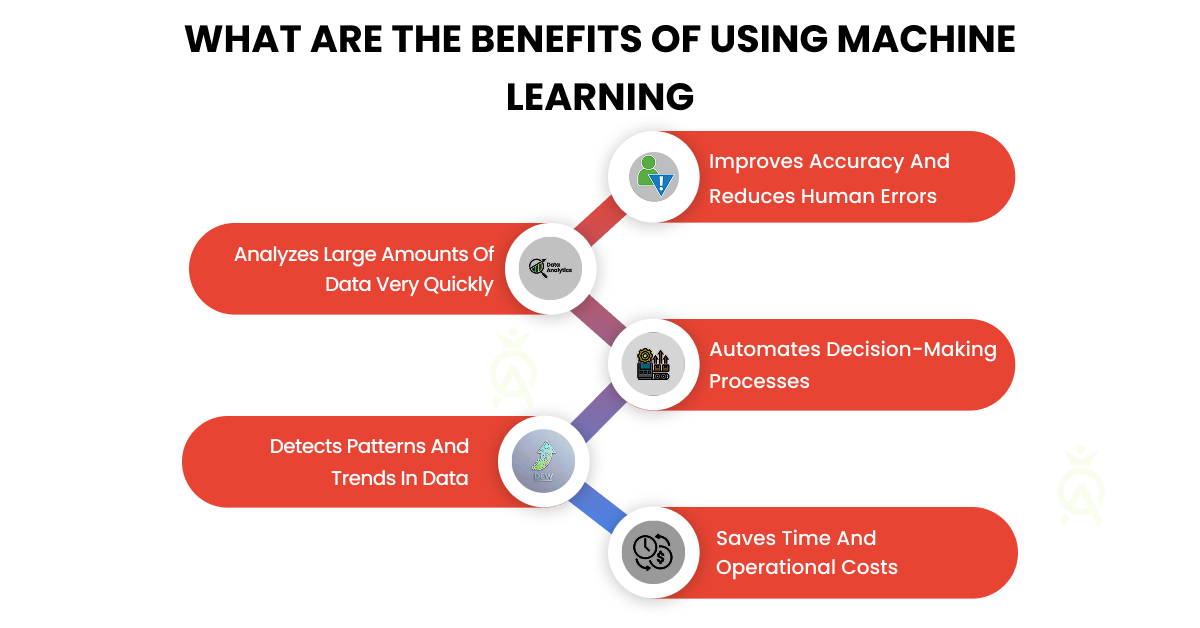
One of the most significant benefits of using machine learning is its ability to process vast amounts of data and extract meaningful insights. Organizations can now predict customer behavior, forecast market trends, and identify potential risks before they materialize.
Financial institutions use ML algorithms to detect fraudulent transactions in real-time, while retailers leverage predictive analytics to optimize inventory management and personalize shopping experiences.
Automation of Repetitive Tasks
Machine learning excels at automating time-consuming, repetitive processes that would otherwise require significant human effort. From data entry and email filtering to customer service chatbots and content moderation, ML-powered automation frees up valuable human resources for more creative and strategic work. This not only reduces operational costs but also minimizes human error and increases overall productivity.
Personalization at Scale
The benefits of using machine learning extend deeply into customer experience enhancement. Streaming platforms like Netflix and Spotify use ML algorithms to recommend content tailored to individual preferences.
E-commerce sites suggest products based on browsing history and purchase patterns. This level of personalization was impossible to achieve manually but is now standard practice, driving customer satisfaction and loyalty.
Real-World Applications Demonstrating machine learning Benefits
Healthcare Revolution
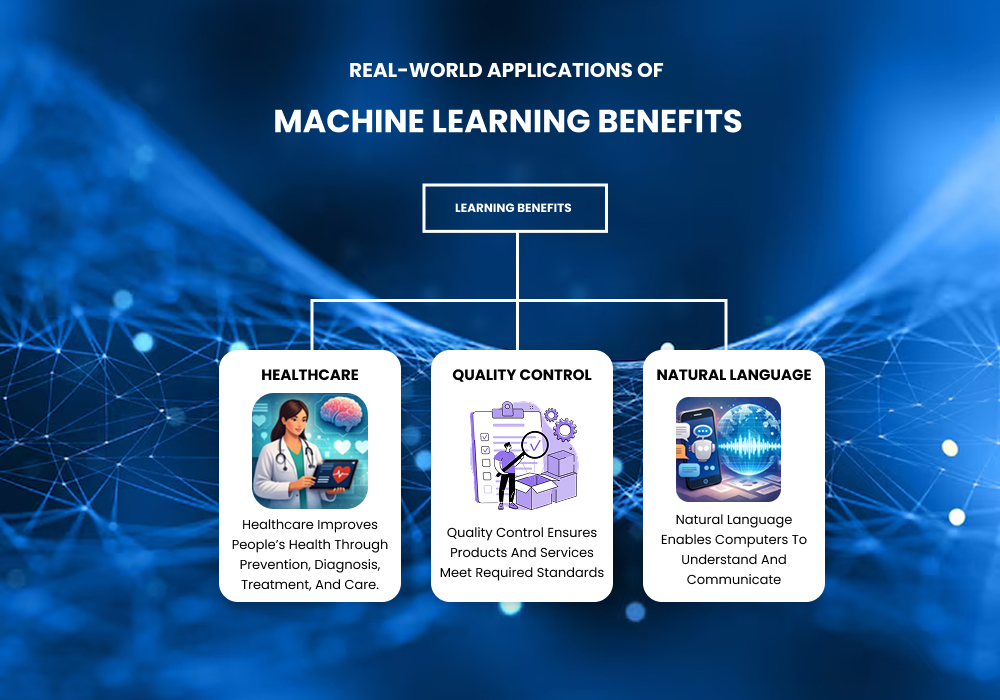
In healthcare, the benefits of using machine learning are literally life-saving. ML models analyze medical images to detect diseases like cancer at earlier stages than human specialists. They predict patient outcomes, optimize treatment plans, and accelerate drug discovery processes. During the pandemic, machine learning played a crucial role in vaccine development and tracking disease spread.
Manufacturing and Quality Control
Smart factories utilize ML-powered systems for predictive maintenance, quality control, and supply chain optimization. By analyzing sensor data from equipment, these systems predict failures before they occur, reducing downtime and maintenance costs. Computer vision algorithms inspect products for defects with greater accuracy and speed than human inspectors.
Natural Language Processing
Another remarkable advantage of ML technology is in natural language processing. Virtual assistants understand and respond to voice commands, translation tools break down language barriers instantly, and sentiment analysis helps companies understand customer feedback at scale. These applications demonstrate how the benefits of using machine learning touch our daily lives in countless ways.
Getting Started with Machine Learning
For businesses considering ML adoption, the journey begins with identifying specific problems that machine learning can solve. Whether it’s improving customer retention, optimizing operations, or developing new products, having clear objectives ensures successful implementation. Cloud-based ML platforms have made the technology more accessible than ever, allowing organizations of all sizes to experiment and scale their initiatives.
The Future is Intelligent
As we look ahead, the benefits of using machine learning will only multiply. Emerging applications in autonomous vehicles, climate modeling, personalized education, and smart cities promise to address some of humanity’s greatest challenges. The technology continues to evolve, becoming more efficient, interpretable, and powerful with each advancement.
Organizations that embrace machine learning today position themselves as leaders in tomorrow’s digital economy. The question is no longer whether to adopt ML, but how quickly you can integrate it into your operations to stay competitive and deliver exceptional value to your customers.
Frequently Asked Questions
Q1: Is machine learning expensive to implement?
Cloud-based ML platforms have made the technology accessible and affordable for businesses of all sizes. Many solutions offer pay-as-you-go pricing, allowing you to start small and scale as needed.
Q2: Do I need a large dataset to use machine learning?
While more data generally improves accuracy, modern ML techniques like transfer learning and few-shot learning can work effectively with smaller datasets.
Q3: How long does it take to see results from machine learning?
Timeline varies by project complexity, but many businesses see measurable improvements within 3-6 months of implementation, with continuous optimization over time.
Q4: Can machine learning replace human workers?
ML is designed to augment human capabilities, not replace them. It handles repetitive tasks while humans focus on creative problem-solving, strategy, and relationship-building.
Q5: What industries benefit most from machine learning?
While healthcare, finance, and retail lead adoption, virtually every industry, from agriculture to manufacturing to entertainment, can leverage ML for improved efficiency and innovation.
Q6: Is machine learning difficult to maintain?
Modern ML platforms provide monitoring tools and automated retraining capabilities that simplify maintenance. Many businesses partner with ML specialists for ongoing optimization.
Ready to Unlock the Power of Machine Learning?
Don’t let your competition get ahead. The benefits of using machine learning are transforming businesses right now, and yours could be next.
Start your machine learning journey today. Whether you’re looking to automate processes, boost customer satisfaction, or make smarter data-driven decisions, machine learning offers solutions tailored to your unique challenges.
Visit BlogAcademy.tech for more insights, tutorials, and resources on implementing machine learning in your business.