Cryptocurrency is everywhere these days in the news, in conversations, and maybe even in your social media feed. But for most people, it still feels like a mystery. If you’ve been wondering where to start, learning the basic aspects of cryptocurrency is the smartest first move you can make.
If you’ve heard the word “cryptocurrency” tossed around but still feel a little lost, you’re not alone. Millions of people are in the same boat. The good news?
It’s not as complicated as it sounds once you break it down. This guide walks you through the basic aspects of cryptocurrency in a way that actually makes sense, no finance degree required.
What Is Cryptocurrency, Really?

At its core, cryptocurrency is digital money. Unlike the cash in your wallet or the dollars in your bank account, it exists only online. There’s no physical coin, no printed bill.
It lives on a network of computers and is secured by something called cryptography, which is just a fancy word for complex math that keeps everything safe and private.
Bitcoin was the first of its kind, launched back in 2009. Since then, thousands of others have followed Ethereum, Litecoin, Solana, and many more.
The Basic Aspects of Cryptocurrency You Need to Know
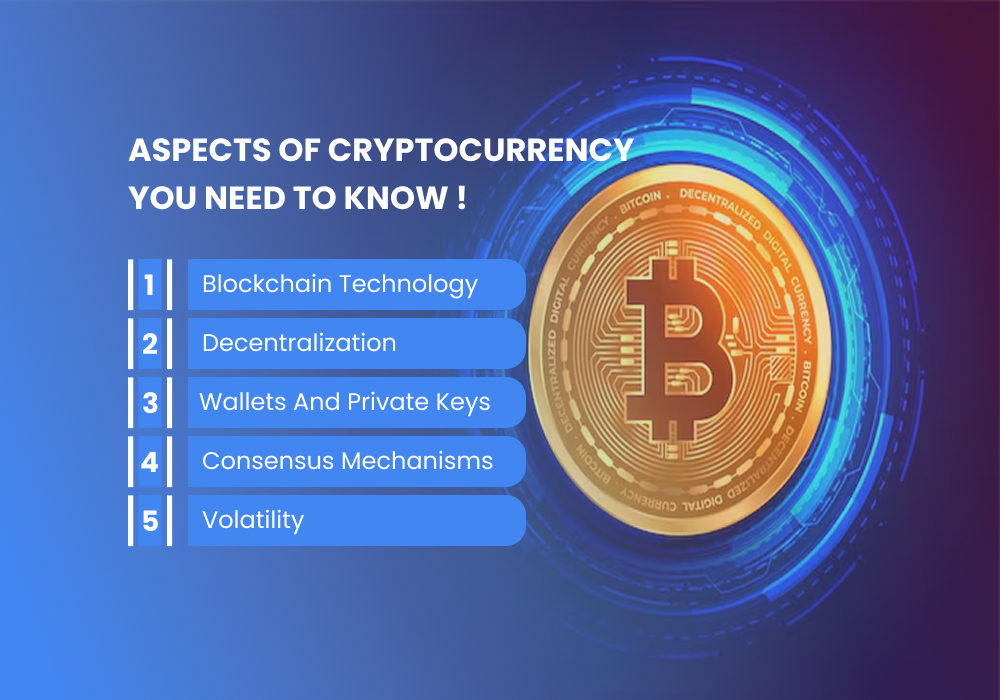
Understanding the basic aspects of cryptocurrency starts with a few key ideas. Once you grasp these, everything else starts to click.
Blockchain Technology
Every cryptocurrency transaction is recorded on a blockchain, a shared digital ledger that no single person or company controls. Think of it like a Google Doc that thousands of people can see, but nobody can secretly edit. Once a transaction is recorded, it’s permanent. This transparency is what makes crypto unique compared to traditional banking.
Decentralization
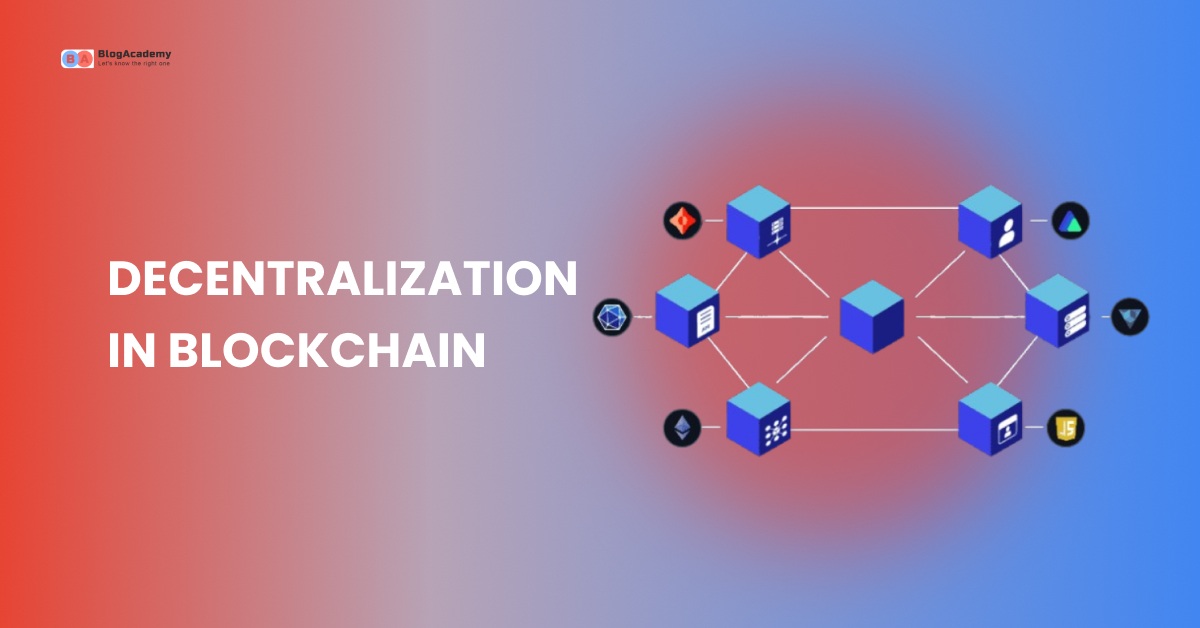
One of the most talked-about basic aspects of cryptocurrency is that it’s decentralized. That means no central bank, no government, no middleman is in charge. Transactions happen directly between users, peer to peer. This gives people more financial freedom, especially in countries where the banking system isn’t reliable.
Wallets and Private Keys
To store and use cryptocurrency, you need a digital wallet. This isn’t a wallet you keep in your pocket; it’s a software app or hardware device that holds your crypto. Along with your wallet comes a private key, which is essentially your password. Lose it, and you lose access to your funds. Keep it safe.
Mining and Consensus Mechanisms
How do new coins get created? Through a process called mining, computers solve complex puzzles to validate transactions and add them to the blockchain. Not all cryptocurrencies use mining, though. Some use a different system called Proof of Stake, which is more energy-efficient and equally secure.
Volatility
One thing newcomers often underestimate is how much crypto prices can swing. Bitcoin, for example, has gone from just a few cents to tens of thousands of dollars, and back down again, multiple times. This volatility is one of the basic aspects of cryptocurrency that makes it both exciting and risky.
Why Are People Actually Using It?
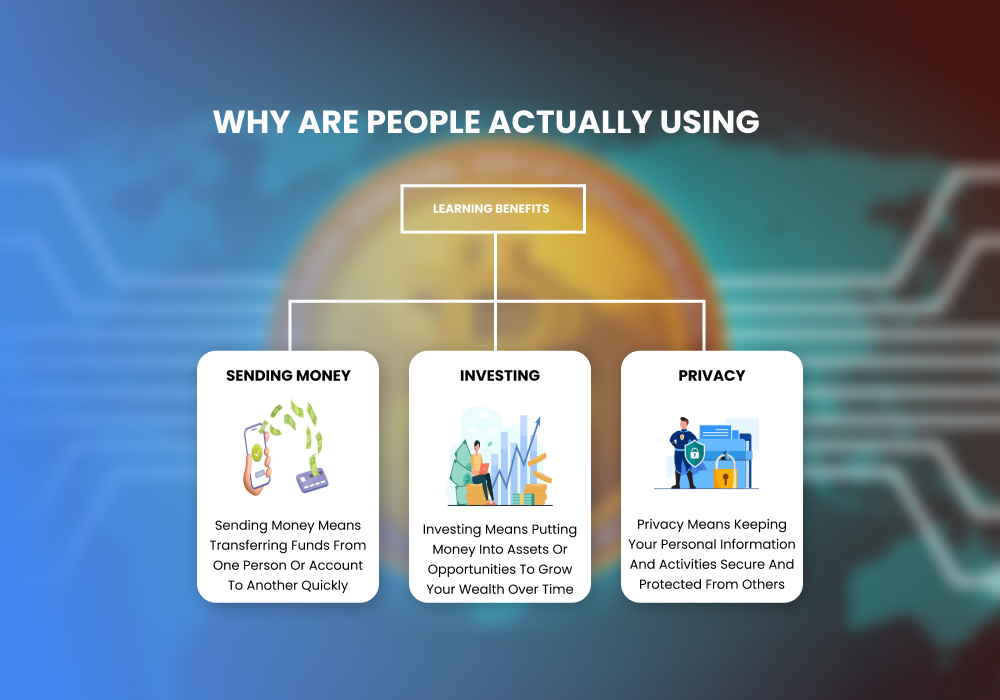
People use cryptocurrency for all kinds of reasons:
- Sending money internationally without high fees or delays
- Investing with the hope of long-term growth
- Privacy: Some people prefer transactions that don’t go through a bank
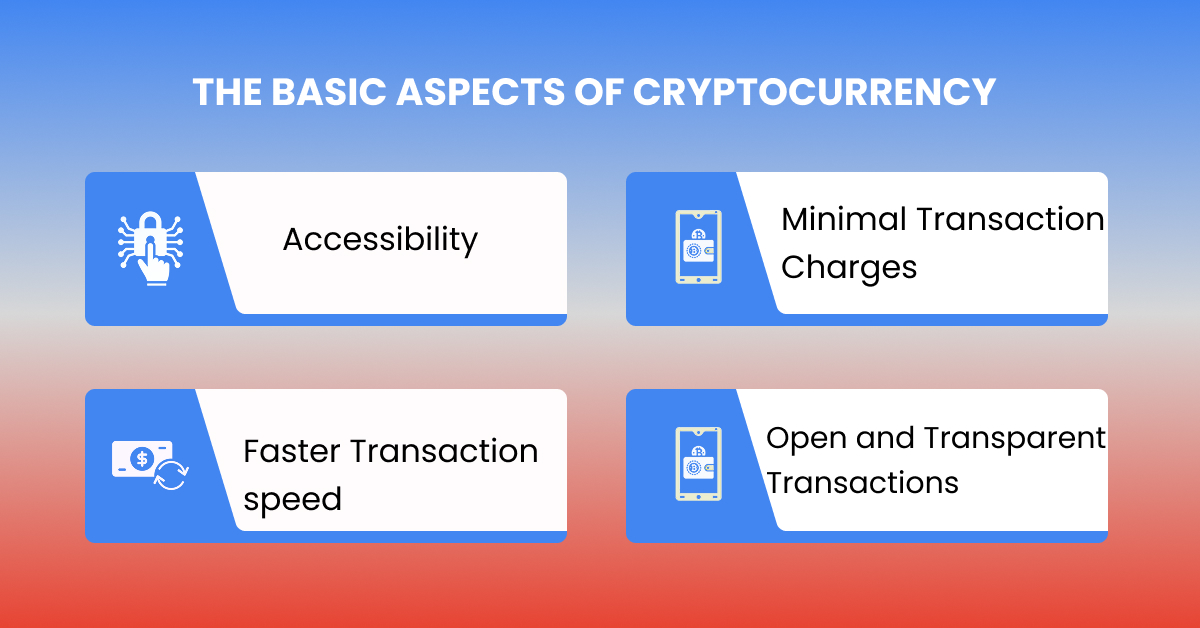
- Access: Crypto gives financial tools to people without traditional bank accounts
It’s not just for tech enthusiasts anymore. Businesses, freelancers, and everyday people are now using crypto as a real financial tool.
FAQs About the Basic Aspects of Cryptocurrency
Q: Do I need a lot of money to start with cryptocurrency?
A: Not at all. Many platforms let you buy fractions of a coin for as little as $10.
Q: Is cryptocurrency legal?
A: In most countries, yes, but regulations vary. Always check your local laws before investing.
Q: Can I lose all my money in crypto?
A: Yes, it’s possible. Crypto is highly volatile, so only invest what you can afford to lose.
Q: What’s the difference between Bitcoin and other cryptocurrencies?
A: Bitcoin was the first and remains the most well-known. Others like Ethereum serve different purposes, such as running smart contracts and decentralized apps.
Q: Where can I buy cryptocurrency?
A: On platforms called exchanges, Coinbase, Binance, and Kraken are among the most popular globally.
Ready to Learn More?
Understanding the basic aspects of cryptocurrency is the first step toward making smart, informed financial decisions in the digital age. Whether you’re thinking about investing, just curious, or looking to use it for everyday transactions, knowledge is your best starting point.
👉 Visit blogacademy.tech/en for more beginner-friendly guides on crypto, tech, and digital finance updated regularly to keep you ahead of the curve